Quality as a Business Enabler: Key Takeaways from the Executive Forum 2026
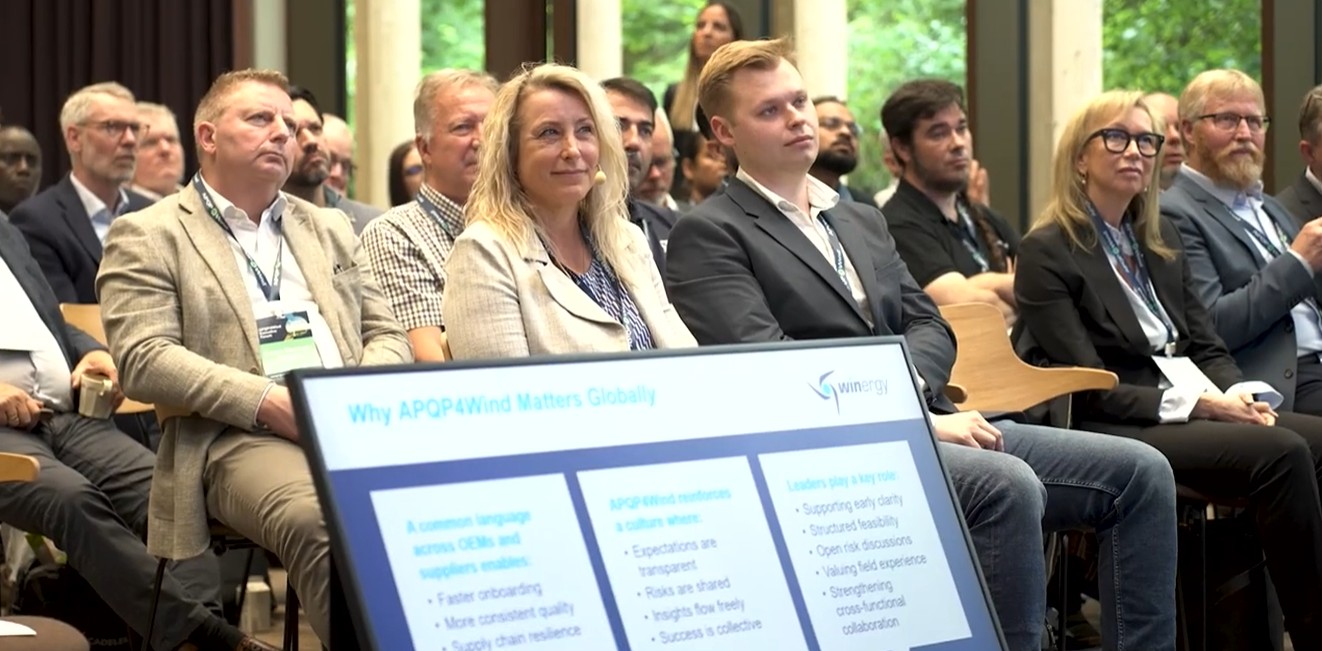
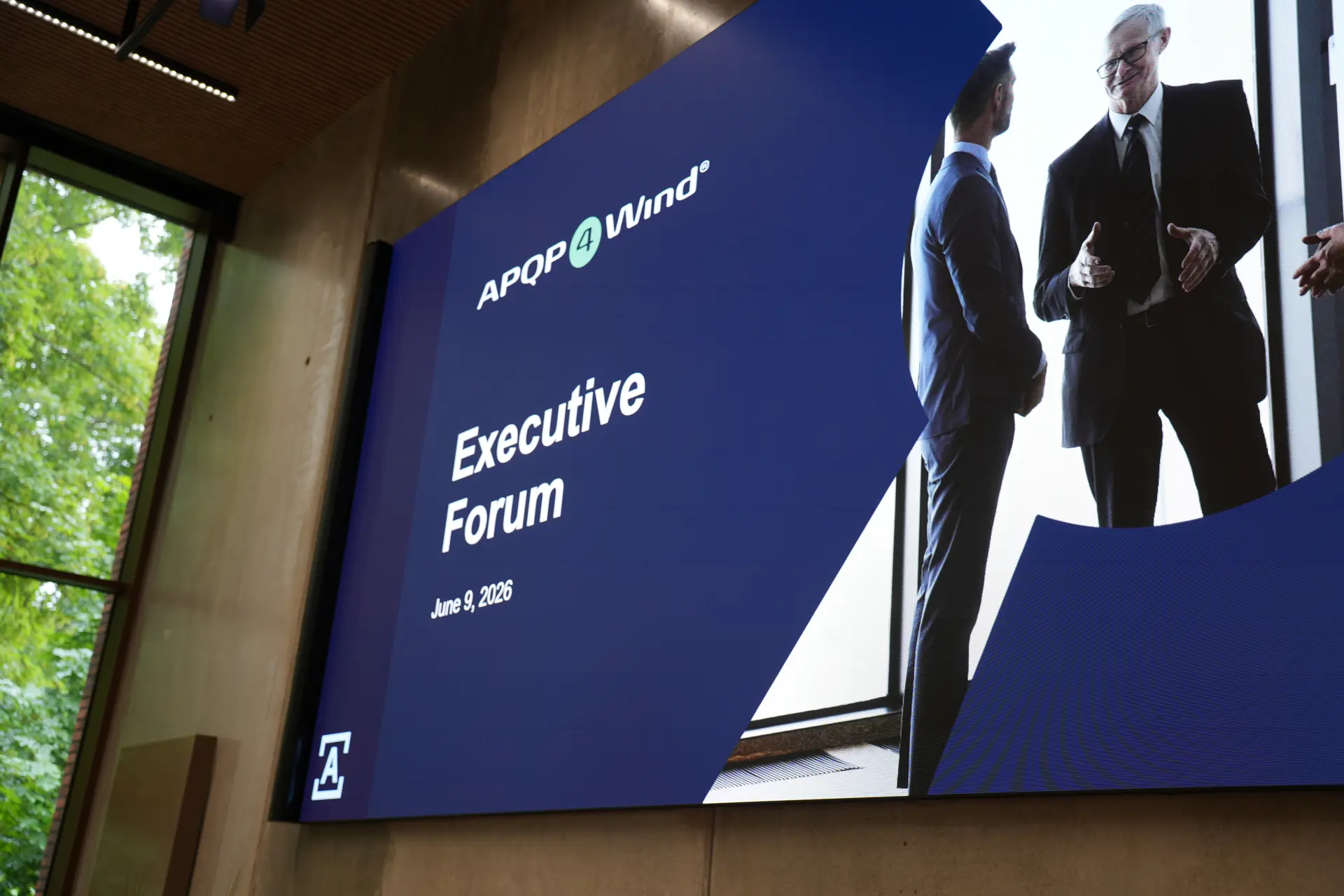
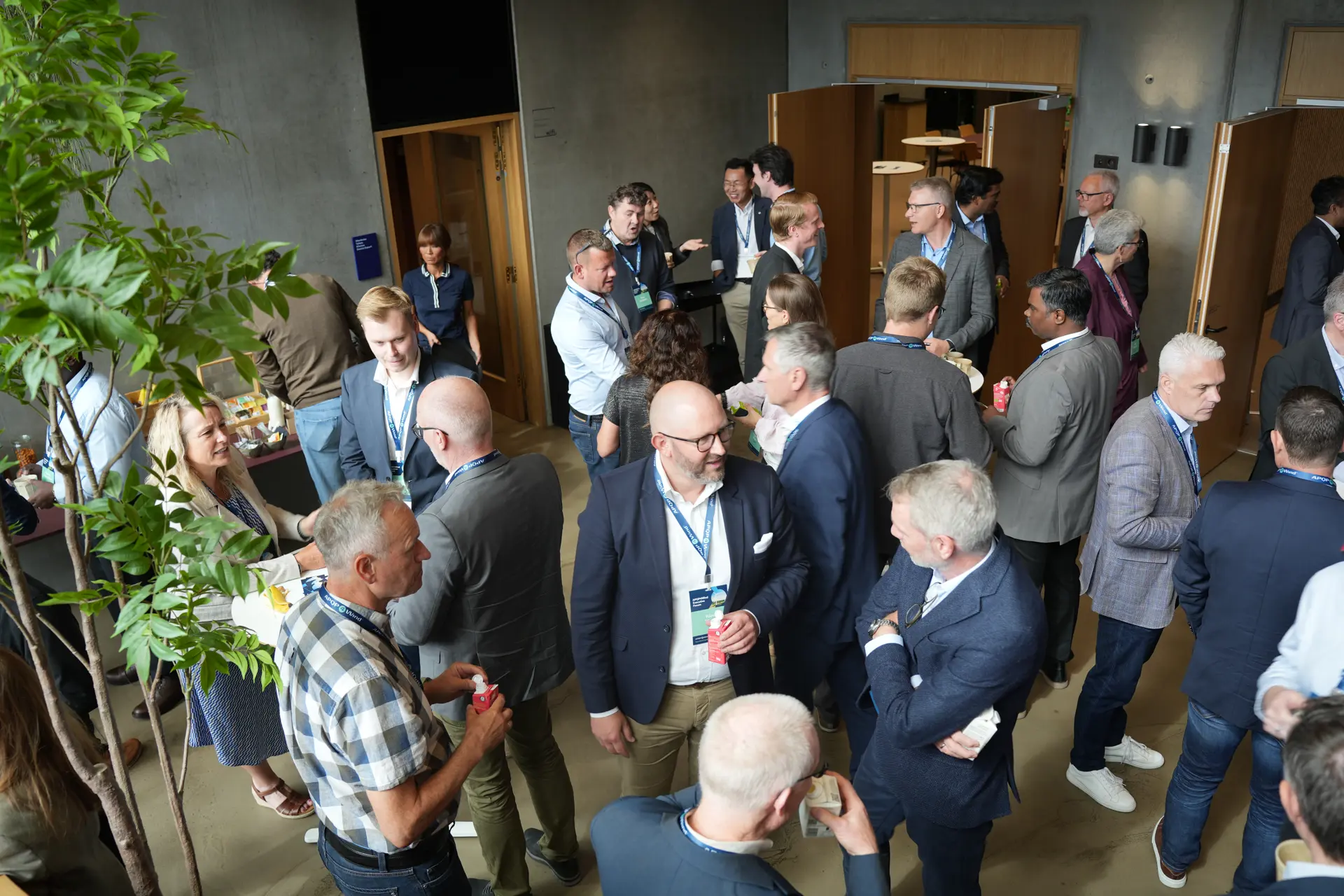
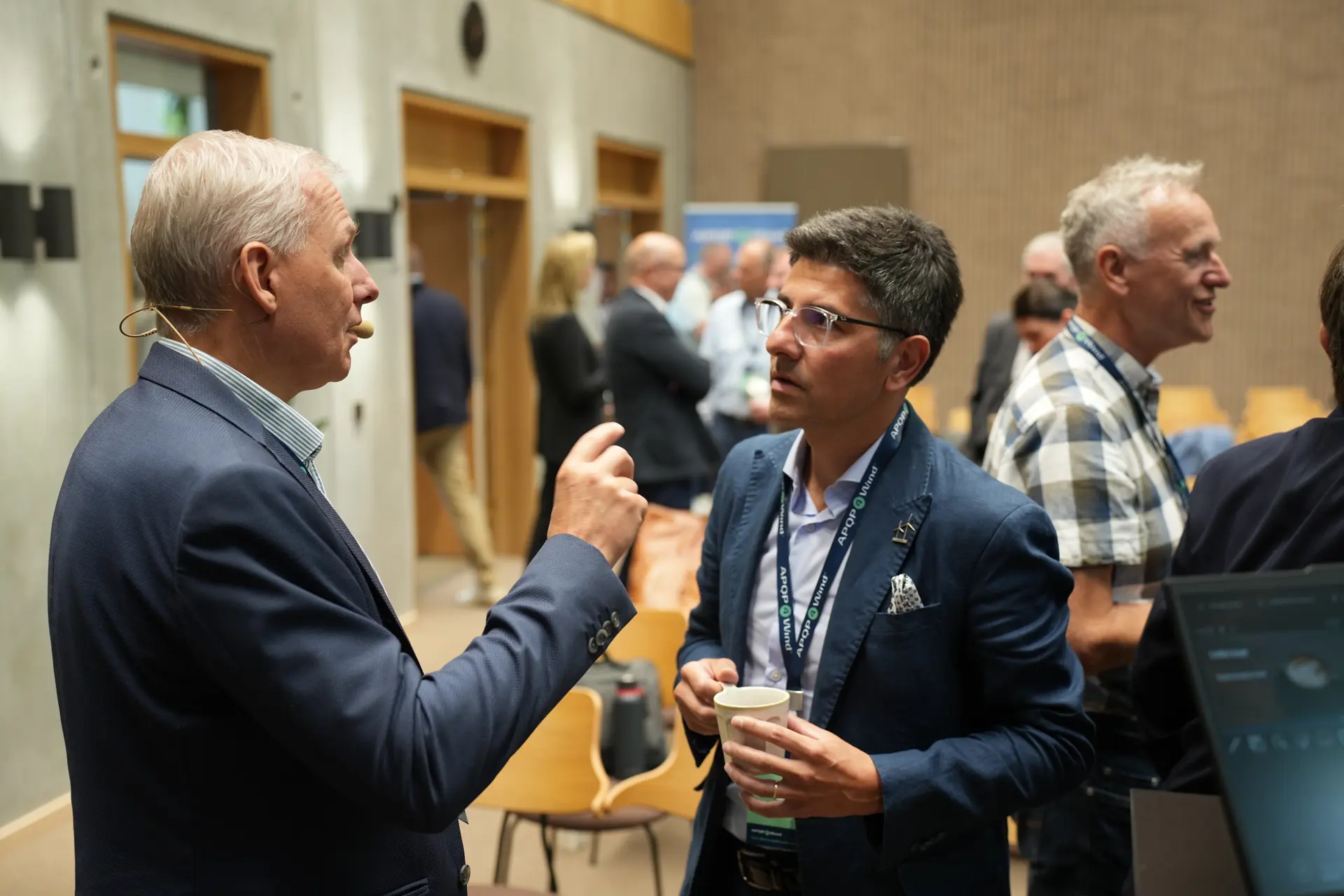
On June 9, industry leaders from across the wind value chain gathered in Silkeborg for the APQP4Wind Executive Forum 2026. What unfolded over the course of the day was not just a series of presentations, but a shared reflection on where the industry stands today and what must change to move forward. At the center of the discussion was a clear and recurring theme: quality management must evolve from a functional discipline into a true business enabler.
The forum demonstrated the strength of APQP4Wind, an industry-driven organization designed to align how developers, OEMs, and suppliers collaborate across organizational boundaries. In a sector defined by complexity and interdependence, that alignment is becoming highly important. Thus, as the wind industry continues to scale, quality, supply chain resilience, and effective collaboration remain critical topics for ensuring sustainable growth.
Missed the Executive Forum? Here are 7 key takeaways from the event:
1. A changing industry reality
Several speakers framed the discussion within a broader context that the wind industry is no longer only focused on growth. It’s now navigating a much more complex environment shaped by geopolitical uncertainty, rising costs, and increasing expectations on reliability and performance.
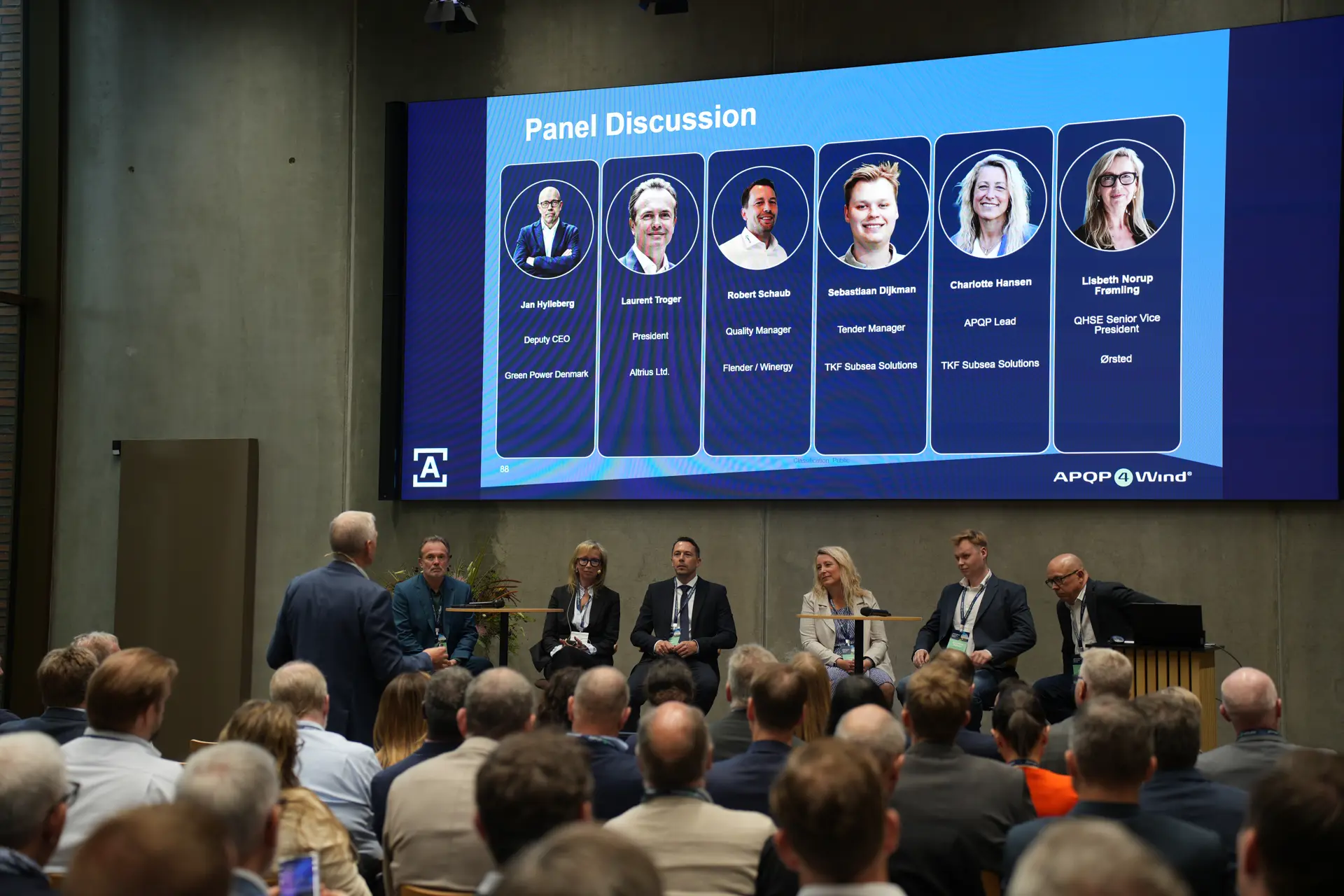
From a European perspective, the wind industry must balance security, green transition, and competitiveness while responding to pressures from global markets and supply chains, as pointed out by one of the speakers, Jan Hylleberg (Deputy CEO, Green Power Denmark). This shifting landscape is exposing a fundamental challenge: projects are growing in scale and complexity; however, the way quality is managed has not sufficiently adapted.
2. Issues are discovered late but created early
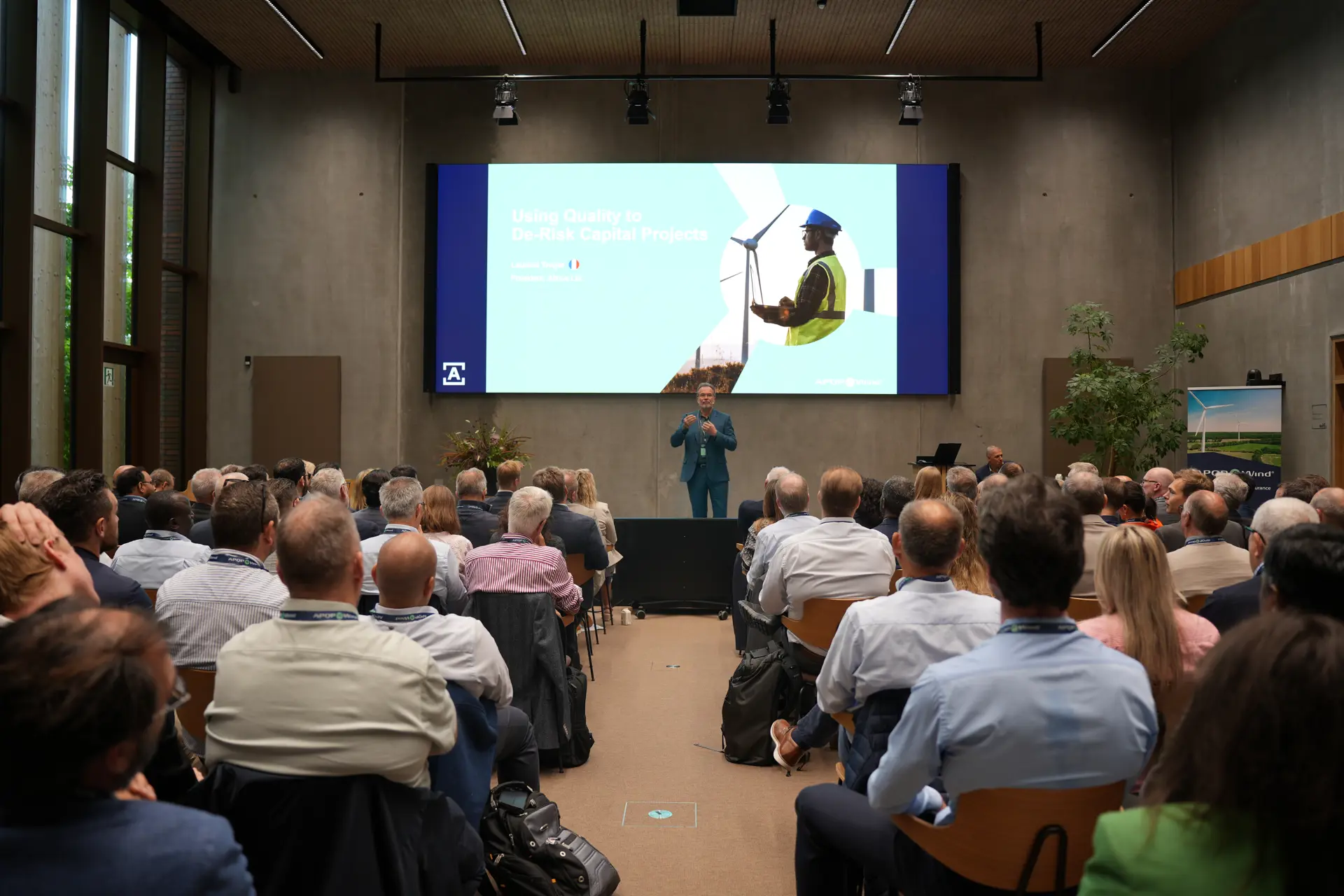
One of the strongest insights Laurent Troger (Executive Advisor, Altrius Group) shared during the forum was that quality issues rarely originate where they are discovered. A delay during installation, a defect in operation, or a cost overrun at commissioning is often rooted much earlier in the lifecycle, or in other words, in unclear requirements, misaligned expectations, or insufficient risk management. As highlighted in his presentation, these early gaps do not remain isolated. Instead, they cascade across the lifecycle, compounding in impact until they eventually affect project economics and performance. As a result, this perspective challenges a long-standing mindset in the industry that quality can be “checked” at the end.
3. Quality starts long before inspection
Across the forum, speakers consistently challenged the idea that quality can be ensured through inspection alone. By the time a product reaches inspection, many of the factors that determine its quality have already been established. The design has been finalized, key decisions have been made, and risks may already be embedded in the process, making them difficult and expensive to address later.
Examples from industry practice highlighted this shift in thinking. At project level, moving from inspection-based approaches to front-loaded quality planning has led to earlier risk identification, better alignment across stakeholders, and more predictable execution, as demonstrated by Sebastiaan Dijkman (Tender Manager, TKF) and Charlotte Hansen (APQP Lead, TKF). Their examples showed how quality can be strengthened by addressing risks and requirements earlier in the process rather than relying on controls at the end.
A similar message emerged from Lisbeth Norup Frømling (QHSE Senior Vice President, Ørsted), who highlighted the close connection between quality and safety. Her message was that safety is not something that can be verified at the end of a project; it must be built into the product from the very beginning. Many of the most critical risks originate in the early stages of design, sourcing, and planning, where requirements are defined and decisions shape everything that follows.
Together, these perspectives pointed to a broader conclusion that quality is not simply a matter of compliance or inspection. When embedded early in decision-making and project planning, it becomes a driver of safer outcomes, stronger collaboration, and more predictable project performance.
4. The need for alignment across the value chain
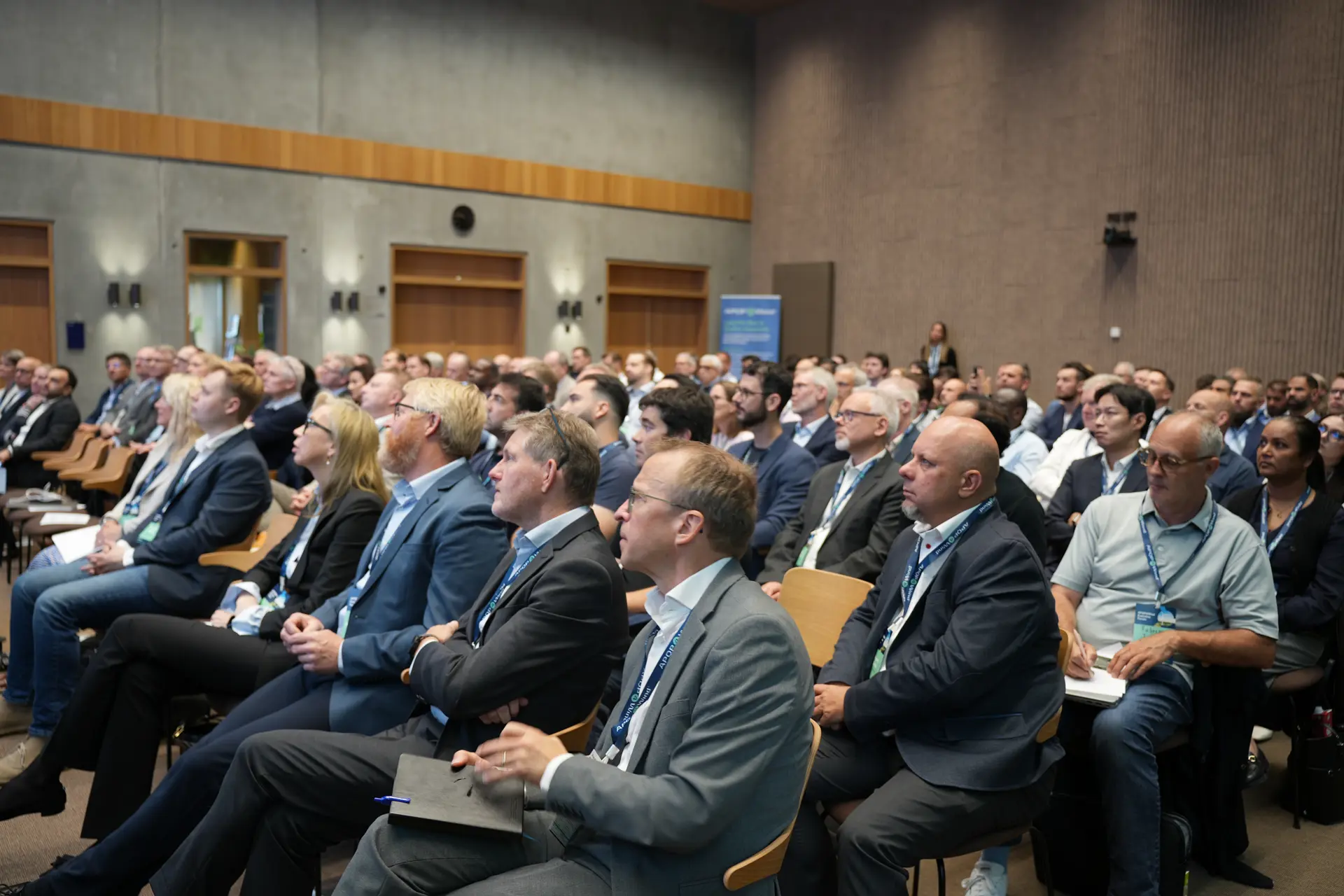
As projects grow in complexity, so does the number of interfaces between stakeholders. These interfaces remain a major source of risk. Different interpretations of requirements, limited transparency, and fragmented processes continue to challenge collaboration.
The forum made it clear that the primary challenge is not technical expertise, but alignment. A message especially emphasized by Robert Schaub (Quality Manager, Flender/Winergy) was that reliability improves when all parties operate with a shared understanding of requirements, visibility of risks, and consistent ways of working.
This is where APQP4Wind plays a defining role. Developed and endorsed by industry players, APQP4Wind provides a common language and structured approach that enables alignment across companies – not as an additional layer, but as a shared foundation for collaboration across the value chain.
5. Good processes alone are not enough
Despite the presence of frameworks and processes, many organizations still experience late issues, rework, and reactive problem-solving. This gap between framework and outcome was also addressed during the forum. The root cause is not a lack of tools but a gap in execution. As highlighted by Silja-Arina Blaschke (Director Corporate
Integrated Management Systems, ENERCON), organizations might follow processes yet still operate in what she describes as a reactive loop, where problems are handled late, and symptoms are addressed rather than root causes.
Breaking this loop requires more than just structure – it requires behavioral change. Therefore, leadership involvement, cross-functional ownership, and a willingness to address risks early all become critical enablers of “built-in quality.”
6. Quality enables sustainable growth
Another important shift discussed during the forum was the perception of quality itself. Historically, quality management has often been associated with cost or control, but the discussions highlighted a different reality: quality is one of the most effective levers to improve business performance.
Reducing the Cost of Poor Quality (CoPQ) leads directly to lower project risk, improved margins, and more robust business cases, as stated by Ike Anyanwu-Ebo (Senior Director HSQE Quality Assurance, RES Group). When applied effectively, quality does not slow projects down, it enables them to scale in a predictable and sustainable way.
7. AI is reshaping quality management
Last but certainly not least, the conversations also looked toward the future. As the industry continues to grow in complexity, traditional ways of managing quality are reaching their limits. New approaches, particularly in digitalization and AI, are opening the door to more predictive quality management.
As shown by Kemal Dorak (Head of Global Manufacturing & Supply Chain Quality, Vestas), the industry is moving away from manual, document-driven processes toward more connected, data-driven ways of working, where insights can be generated across the full lifecycle. By connecting data across the lifecycle and enabling earlier risk identification, these technologies support a shift from reactive analysis to proactive decision-making. This represents a natural next step in the wind industry’s maturity.
The defining role of APQP4Wind
The forum reinforced why APQP4Wind remains relevant. What tied the entire forum together was the shared recognition that the challenges (quality, collaboration, risk management, and supply chain alignment) are systemic and that no single company can solve them alone. APQP4Wind exists precisely to address this gap. By providing a common framework and shared language, APQP4Wind helps companies address these challenges collectively across the value chain.
From insights to action
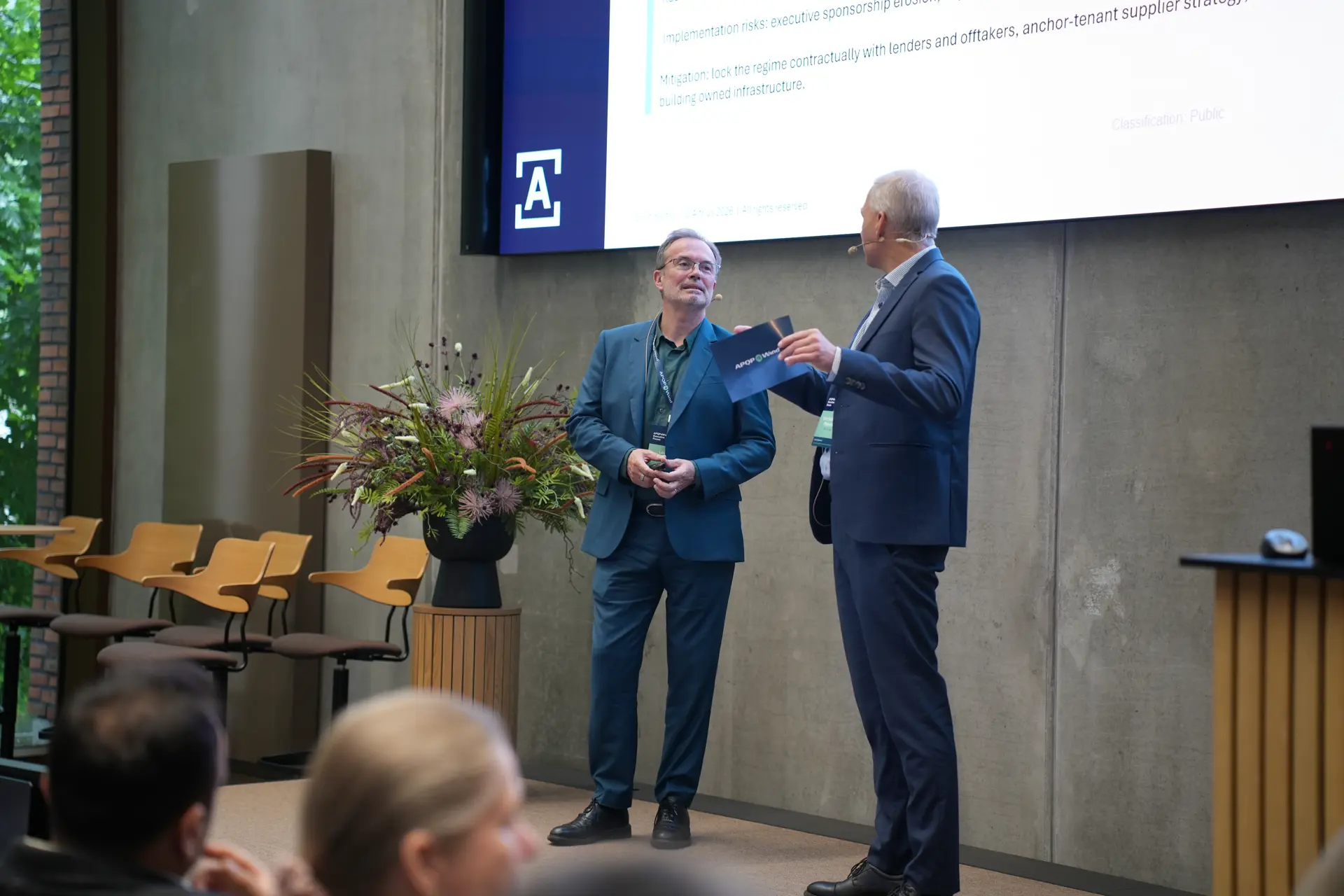
As the forum came to a close, moderator Kim Schmidt Petersen (Vice President Global QHSE, KK Group and Vice Chairman, APQP4Wind) brought the day into perspective with a simple but powerful reminder: “Now the real work begins: how we take what we’ve learned and turn it into action.”
Throughout the day, speakers had called for greater openness, stronger collaboration, and a shared responsibility for both risk and progress across the value chain. Building on this momentum, the APQP4Wind Board of Directors extended an open invitation to the industry to participate in ongoing workstreams and working groups. As Kim noted:
“You can contribute in whatever way makes sense for you. What matters isn’t the size of the commitment, but the willingness to contribute to our shared goal of reducing risk and strengthening performance across the industry.
The discussions throughout the day pointed toward a clear direction for the wind industry:
- From inspection to prevention
- From framework to execution and culture
- From reactive problem-solving to predictive quality
- From individual optimization to industry-wide alignment
The Executive Forum demonstrated that these shifts are already creating value in practice. Real-world examples demonstrated how a more aligned and proactive approach to quality can improve predictability, strengthen collaboration, and support better business outcomes. The task ahead is to build on these successes and translate them into common practice across the industry.
As a result, the Executive Forum 2026 reaffirmed that quality is no longer a standalone function but a shared responsibility and a strategic lever for ensuring that the wind industry can continue to scale, compete, and deliver on its ambitions.
Listen to industry leaders at the APQP4Wind Executive Forum reflect on the importance of quality, reliability, safety, and collaboration across the wind supply chain: APQP4Wind Executive Forum 2026