A Week of Quality Collaboration and Exchange: APQP4Wind Brings the Industry Together in China
From FMEA implementation to a broader quality dialogue
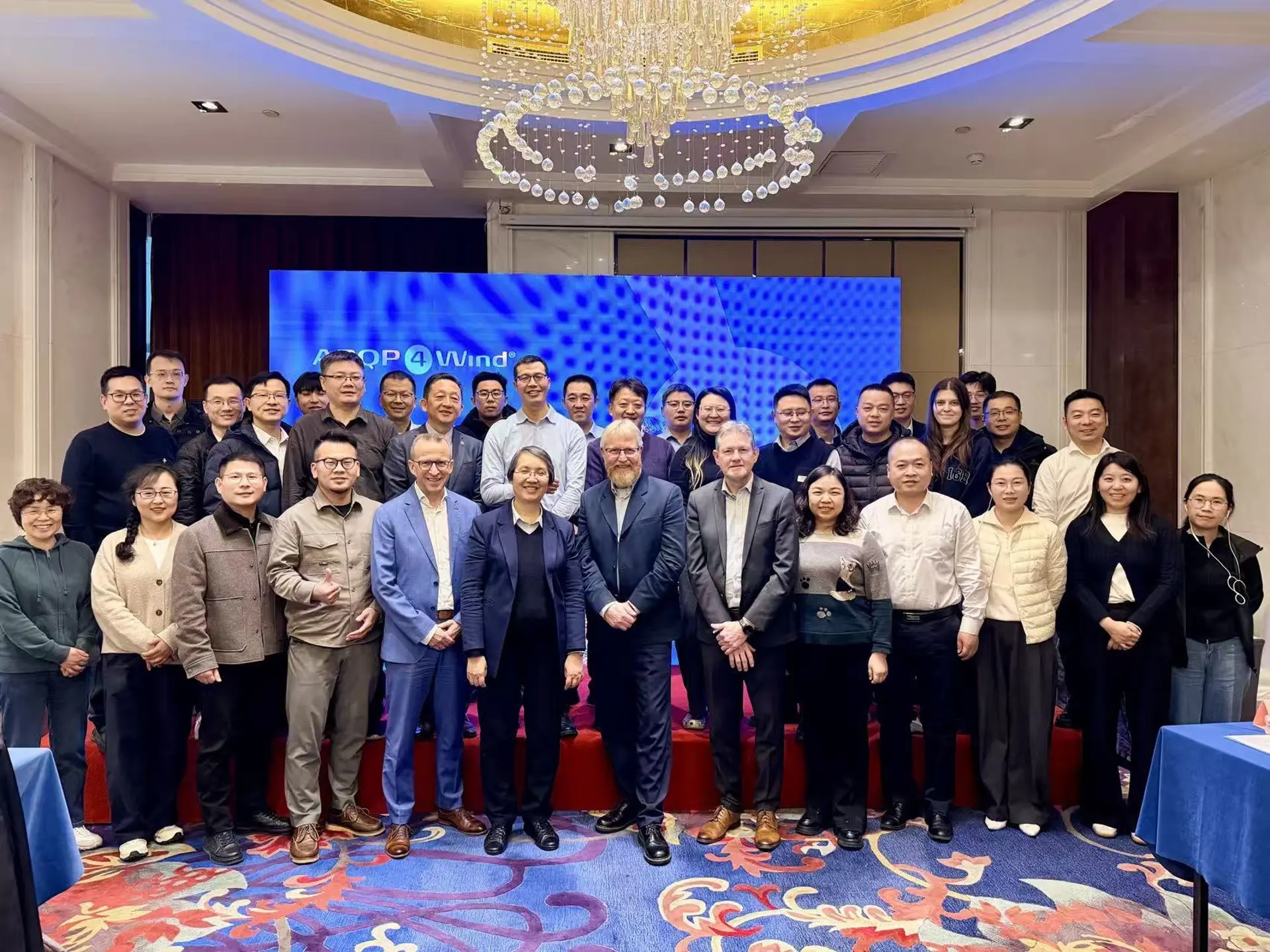
The first event, the APQP4Wind China Implementation Dialogue, brought together more than 40 participants from 24 member companies. The dialogue focused on a deceptively simple question: Why do quality problems still occur even when FMEA is in place?
Through presentations and group discussions, participants explored the gap that can arise between having quality tools and processes and ensuring that they are effectively applied, connected, and maintained in practice. Participants shared experiences, compared approaches, and examined how stronger implementation can support quality and risk management across the wind industry.
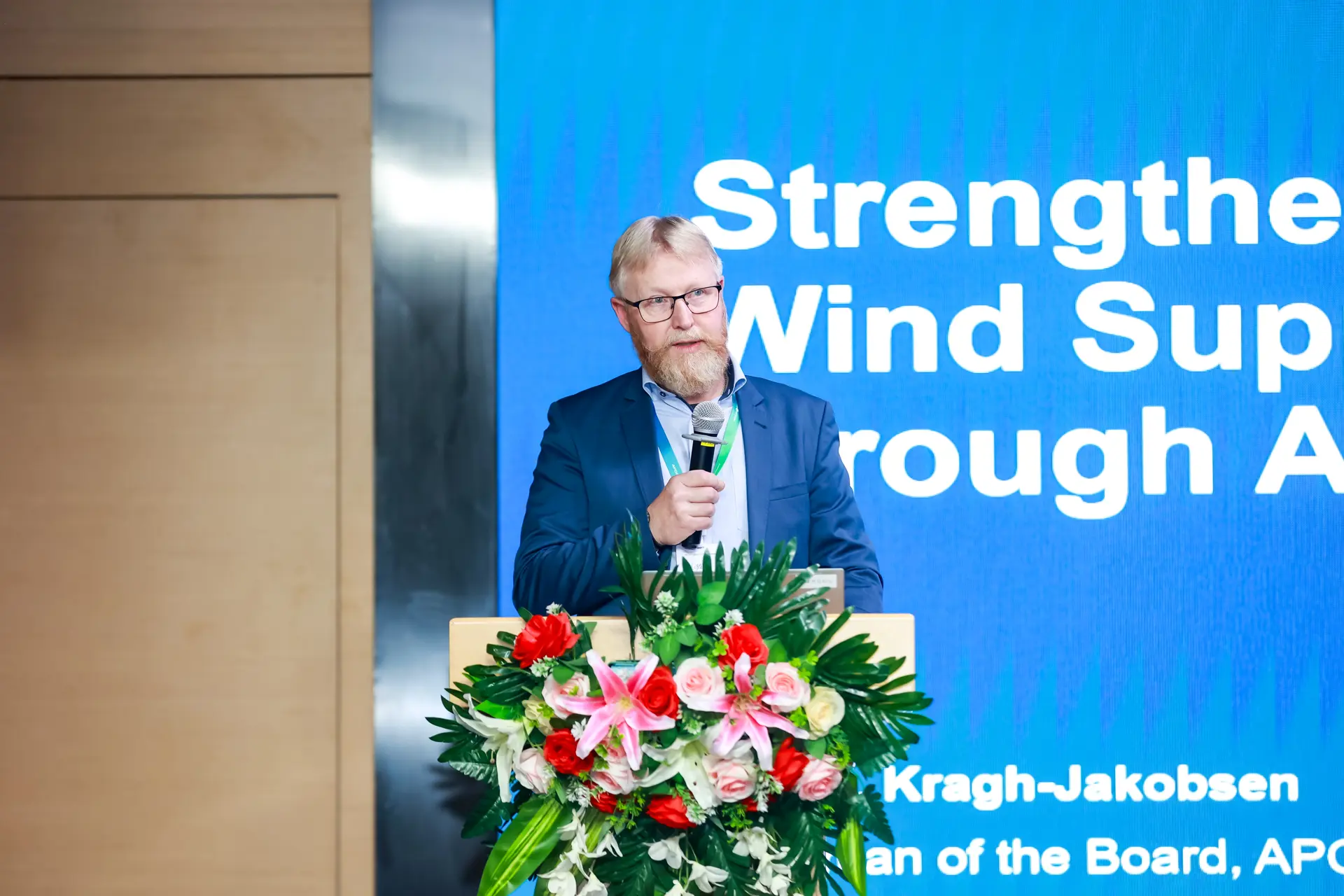
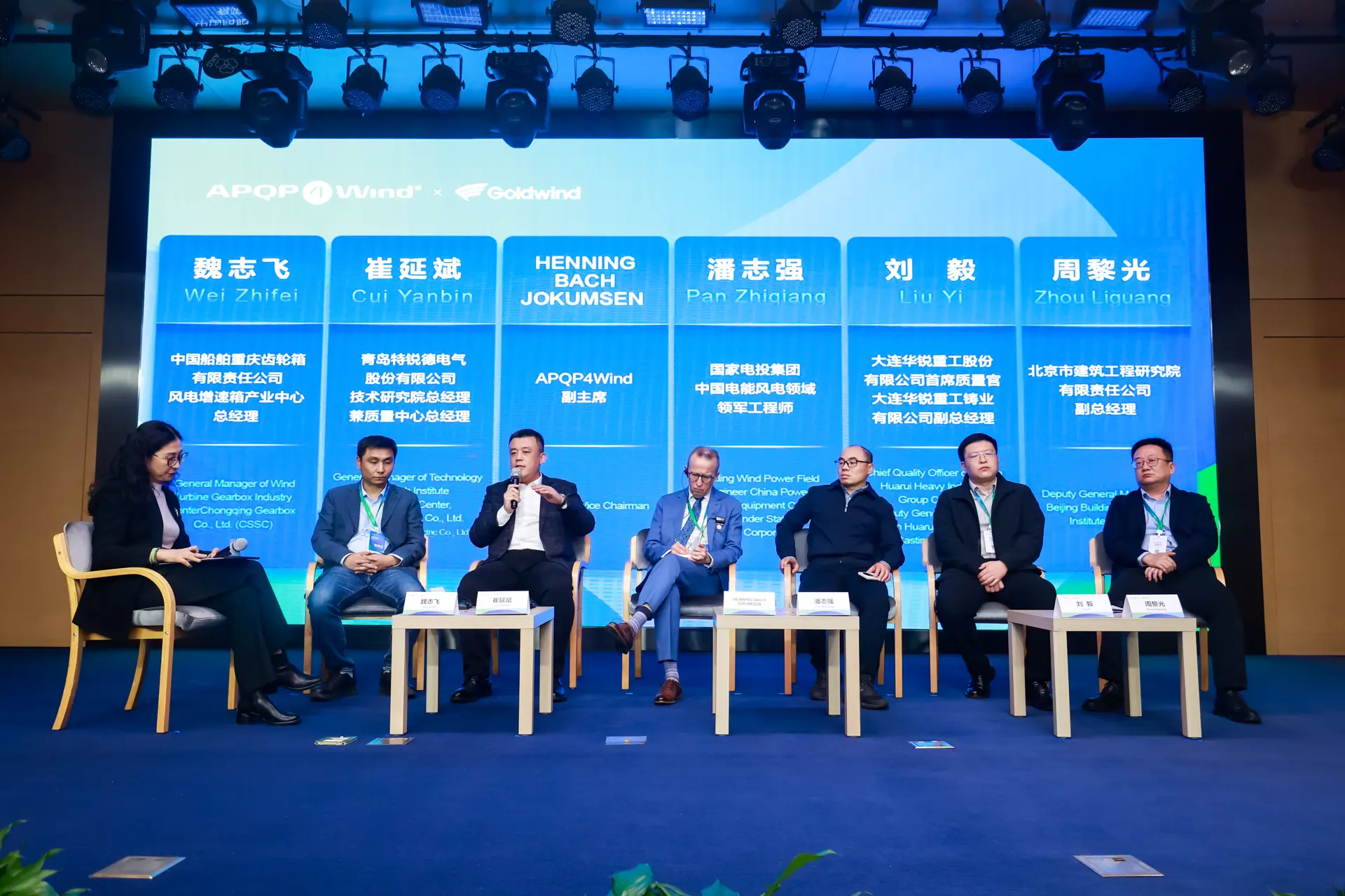
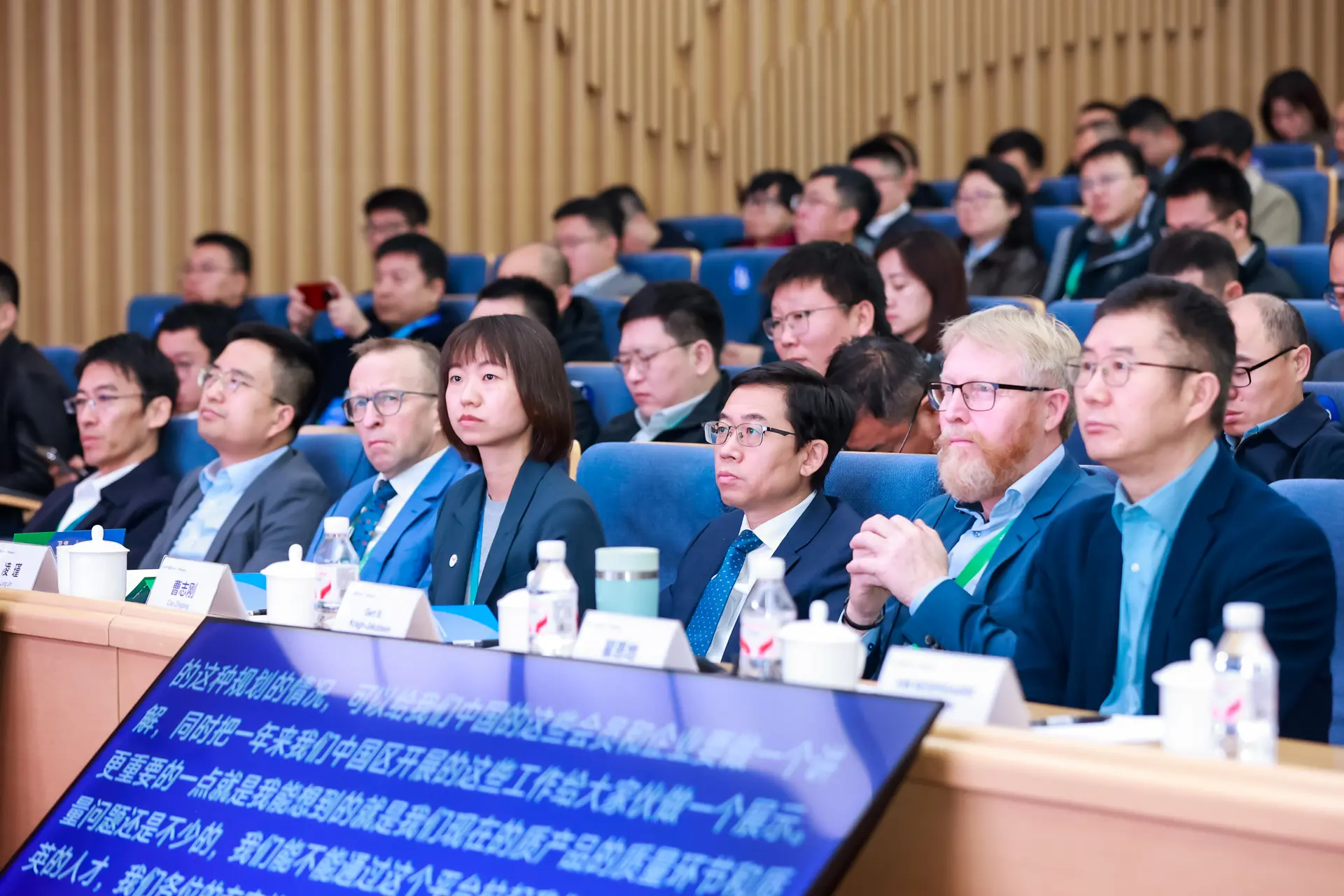
The APQP4Wind Renewable Energy Quality Summit in Beijing then broadened the conversation. Industry representatives came together to discuss topics including quality management, supplier development, APQP4Wind implementation, market developments, and digital transformation. Contributions from Goldwind, China General Nuclear Power Corporation, China Huaneng Group, Windey Energy, NGC Group, Vestas, and APQP4Wind brought together insights from across the industry.
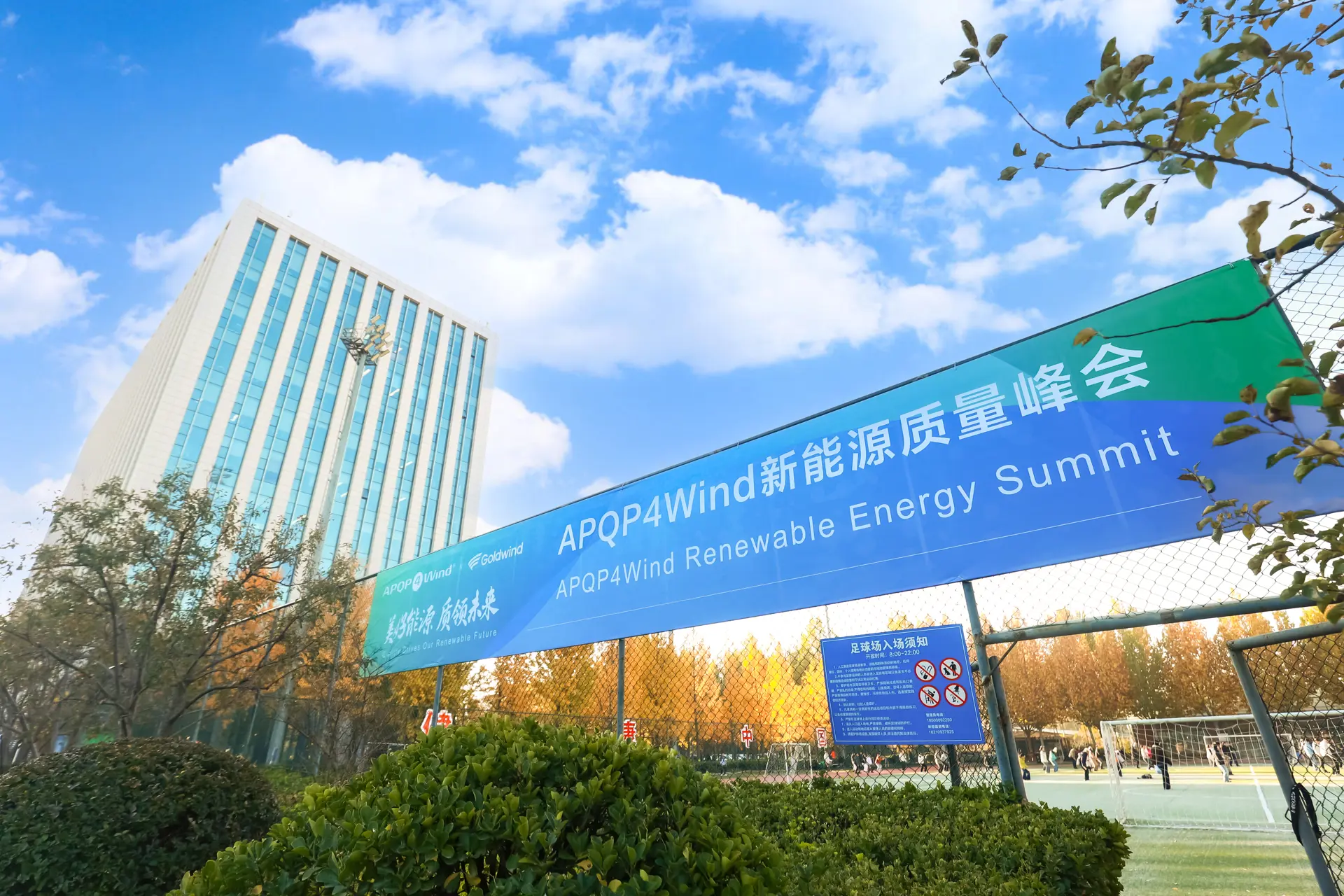
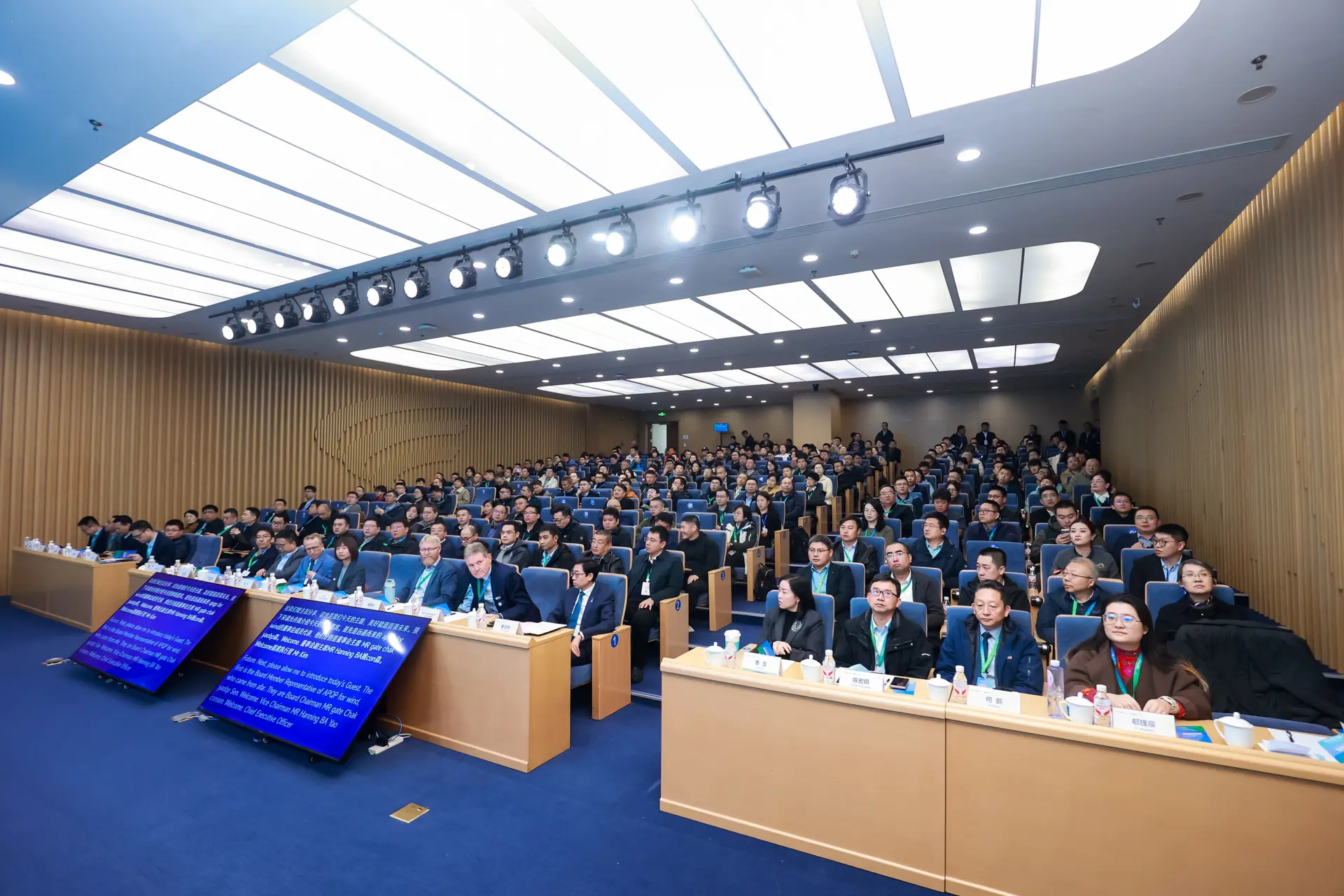
The topics explored reflected one of the principles at the heart of APQP4Wind: quality cannot be addressed by one company or one part of the supply chain alone. The methodology is designed to create aligned ways of working across the value chain, supporting collaboration between customers and suppliers and helping prevent quality risks before they develop into costly problems.
A new chapter for APQP4Wind in China
The week also marked an important milestone with the establishment of the APQP4Wind China Committee. Created as part of APQP4Wind’s global organization, the committee brings together representatives from across China’s renewable energy value chain to strengthen collaboration and support the continued adoption and practical implementation of APQP4Wind in China.
The committee will provide a closer link between Chinese companies and the wider APQP4Wind community, creating a platform for sharing practical experience, building quality capabilities, and strengthening international collaboration. Its work will include industry activities and technical support, with the aim of helping companies apply APQP4Wind tools in product development and supply chain management and share lessons learned across the value chain.
Li Yongmei, Chief Quality Officer at Goldwind and APQP4Wind Board member, has been appointed Chair of the China Committee. Together with representatives from different parts of the value chain, the committee will help connect APQP4Wind’s global framework with practical experience from China and create new opportunities for Chinese companies to contribute to the continued development of quality and risk management across the industry.
Moving from discussion to implementation
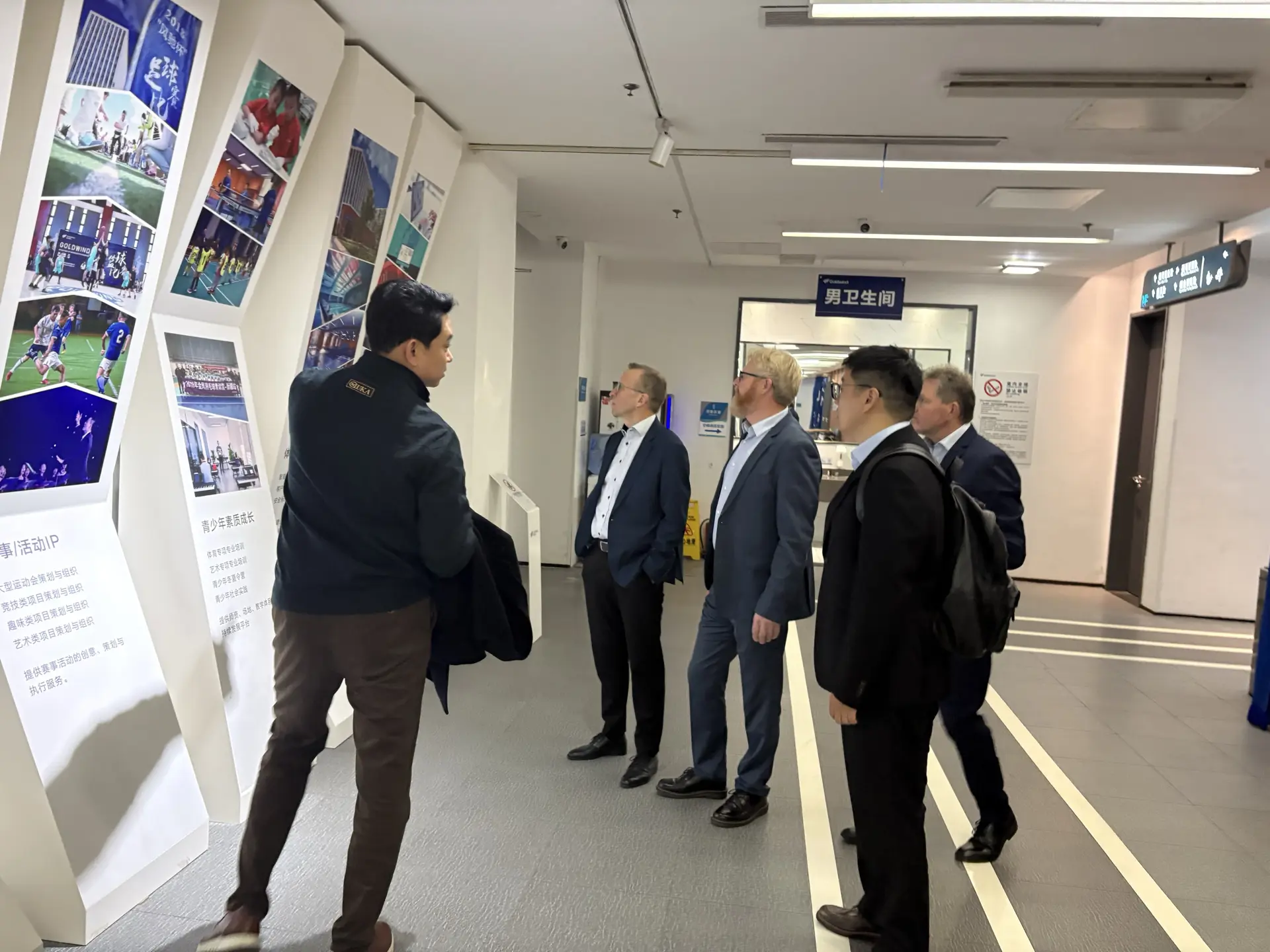
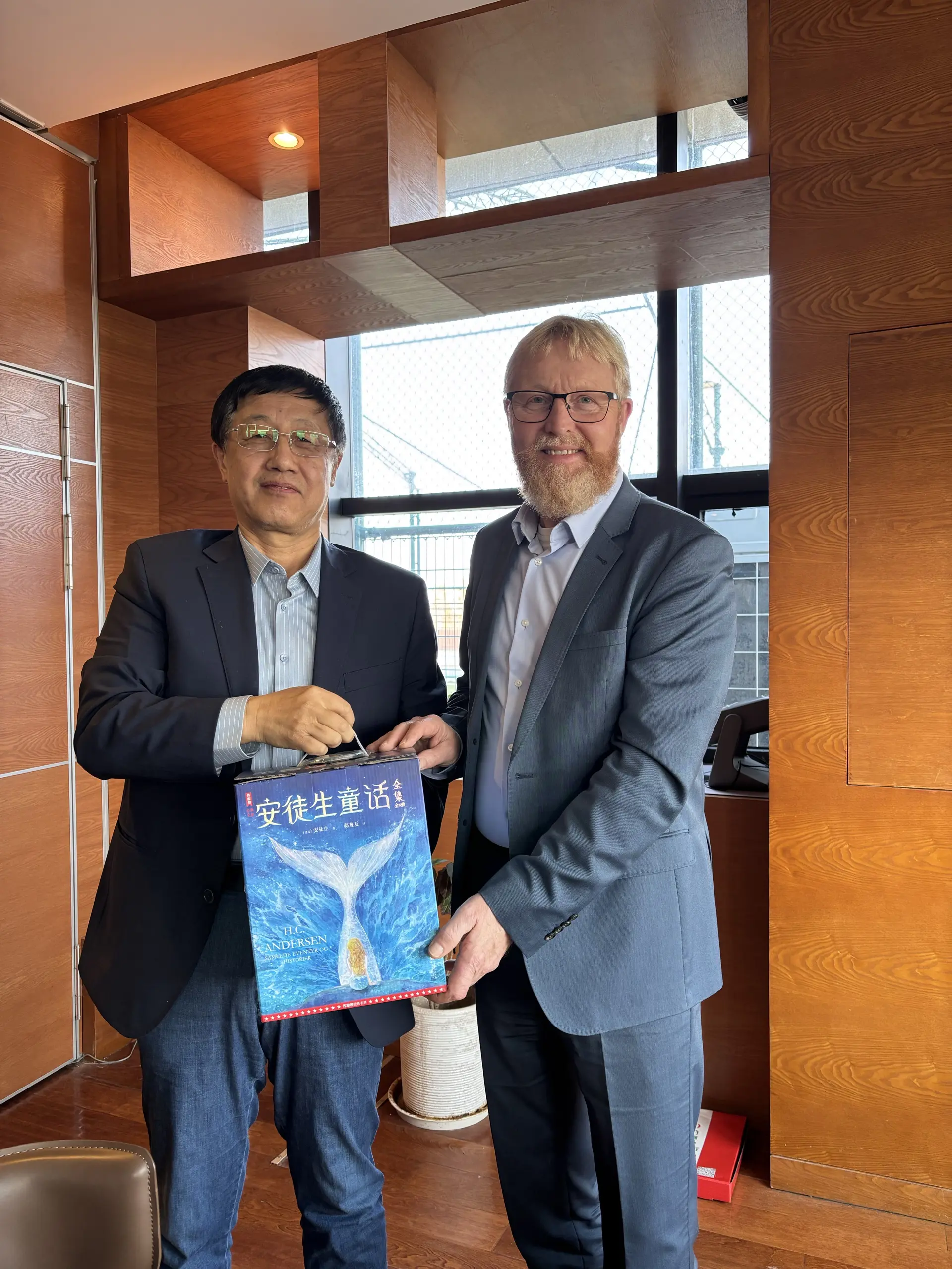
Following the events, the trip continued with company visits and expert exchanges, providing an opportunity to move the conversation from industry-level challenges to practical implementation.
A concrete example came from the exchange with Goldwind, where participants explored the application of APQP4Wind in connection with a hybrid tower pilot for a wind project in Uzbekistan. The project has a planned capacity of 1.5 GW and 204 turbines and involves establishing local production capabilities, qualifying local suppliers, and preparing local teams. Goldwind's experience from previous projects had shown that many quality challenges could be traced back to decisions and preparations made much earlier in the process, reinforcing the importance of structured quality planning from the beginning.
The discussion therefore focused not only on APQP4Wind as a methodology, but also on practical questions arising when it is applied to a real project: How should responsibilities and interfaces be defined? Which deliverables should support project gates? How should local suppliers and production capabilities be qualified? And how can changing project conditions be incorporated into risk management?
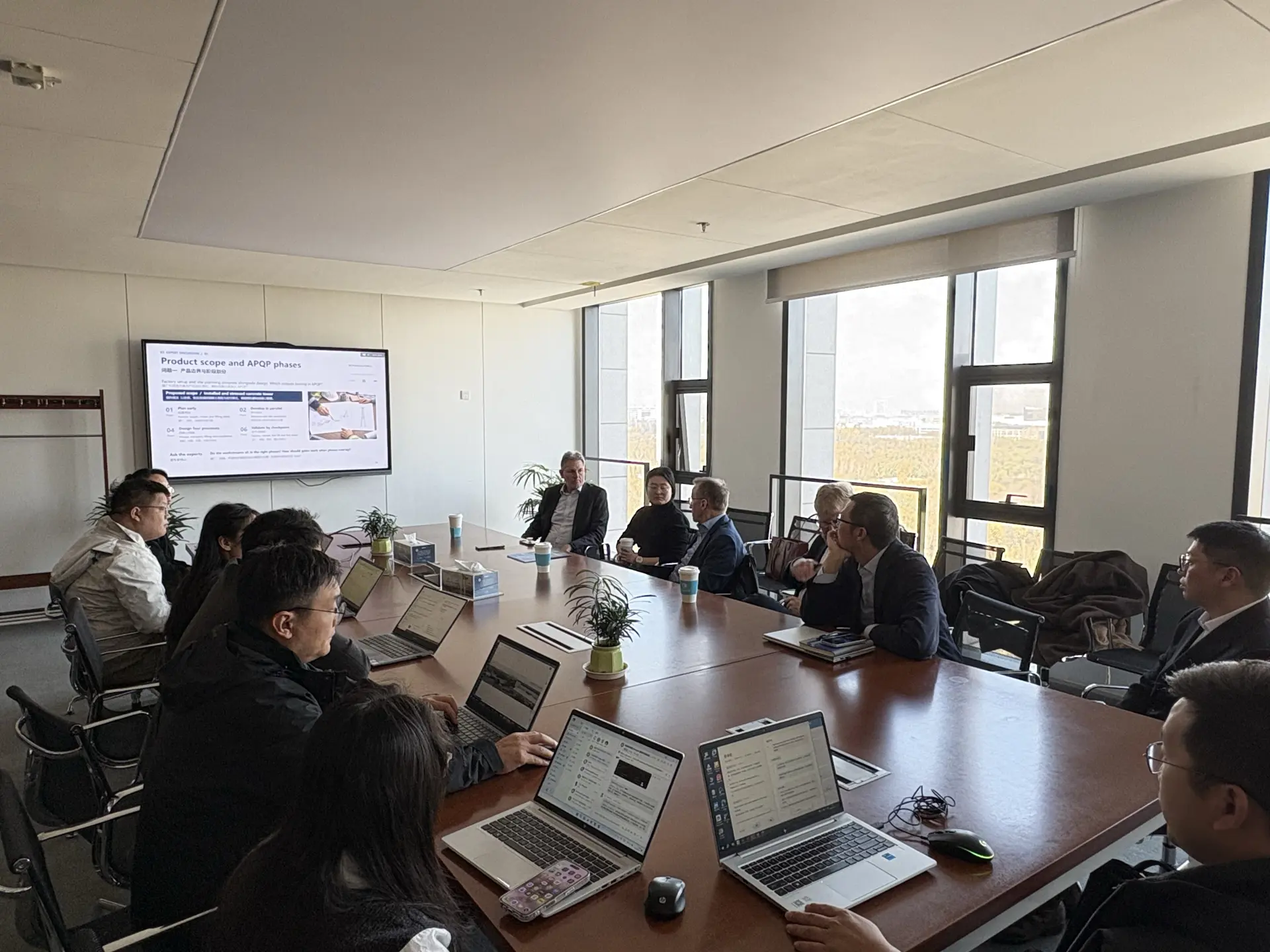
Goldwind's pilot breaks the APQP4Wind work into defined phases, elements, tasks, and actions, with responsibilities, deadlines, inputs, and outputs assigned to the relevant functions. Verification milestones range from the first factory article and first complete set to the first installed tower and ultimately repeatable delivery. The example provided a valuable basis for exploring how the principles behind APQP4Wind can translate into day-to-day project decisions and help move quality management further toward prevention rather than correction.
Perspectives from across the value chain
The visits also created opportunities to engage with stakeholders representing different positions in China's wind energy value chain.
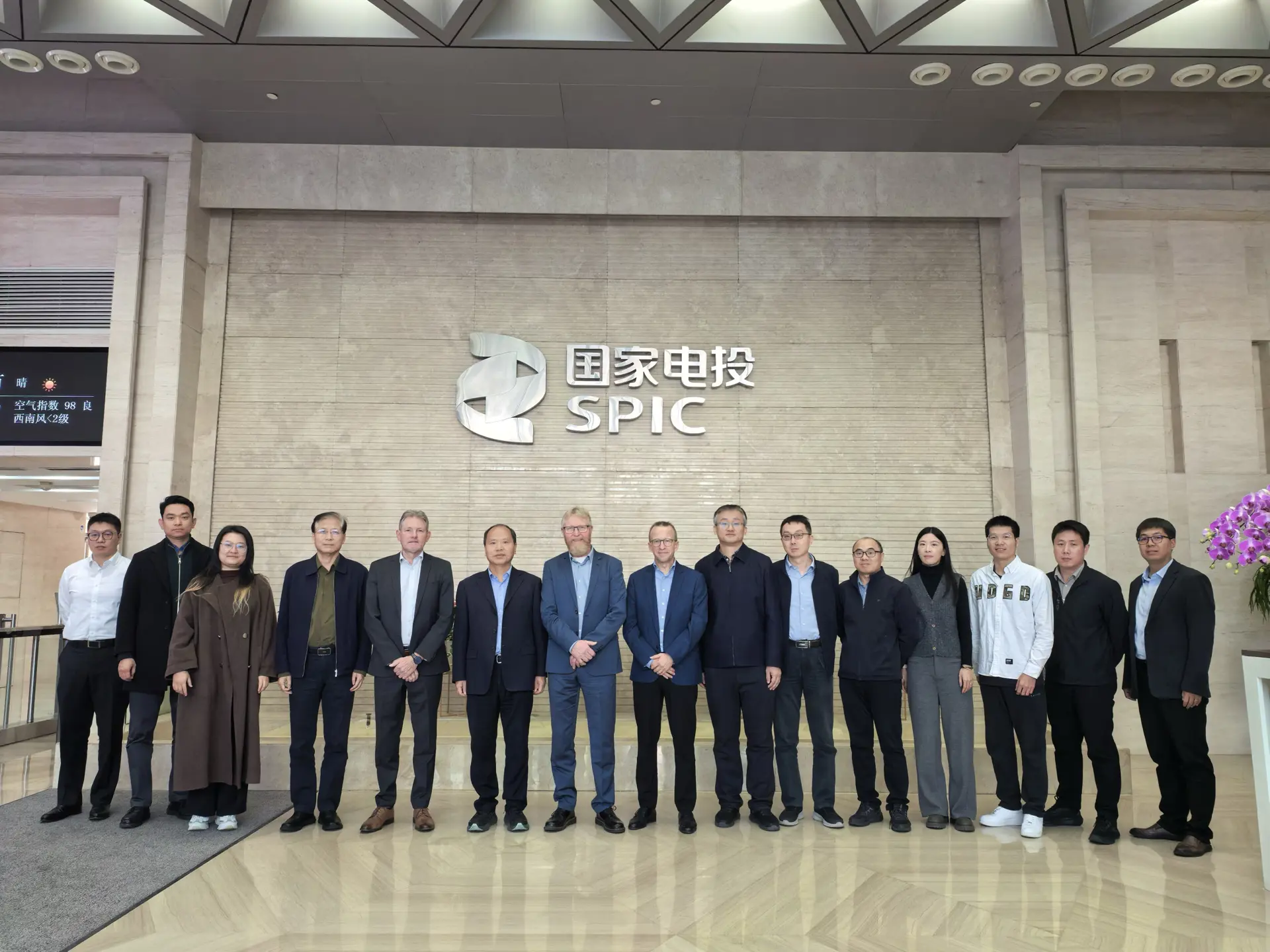
At State Power Investment Corporation (SPIC), the discussions provided the perspective of a major utility, project developer, investor, and wind farm operator. For asset owners and developers, issues such as supplier quality, reliability, risk prevention, and long-term asset performance connect directly with the broader objective of establishing quality throughout the supply chain.
The APQP4Wind presentation during the exchange focused on global supply chain quality risk mitigation and how standardization can help establish more consistent quality planning across international supply chains. It also highlighted the potential connection between stronger industrialization and standardization, reduced cost of poor quality, and lower lifecycle costs.
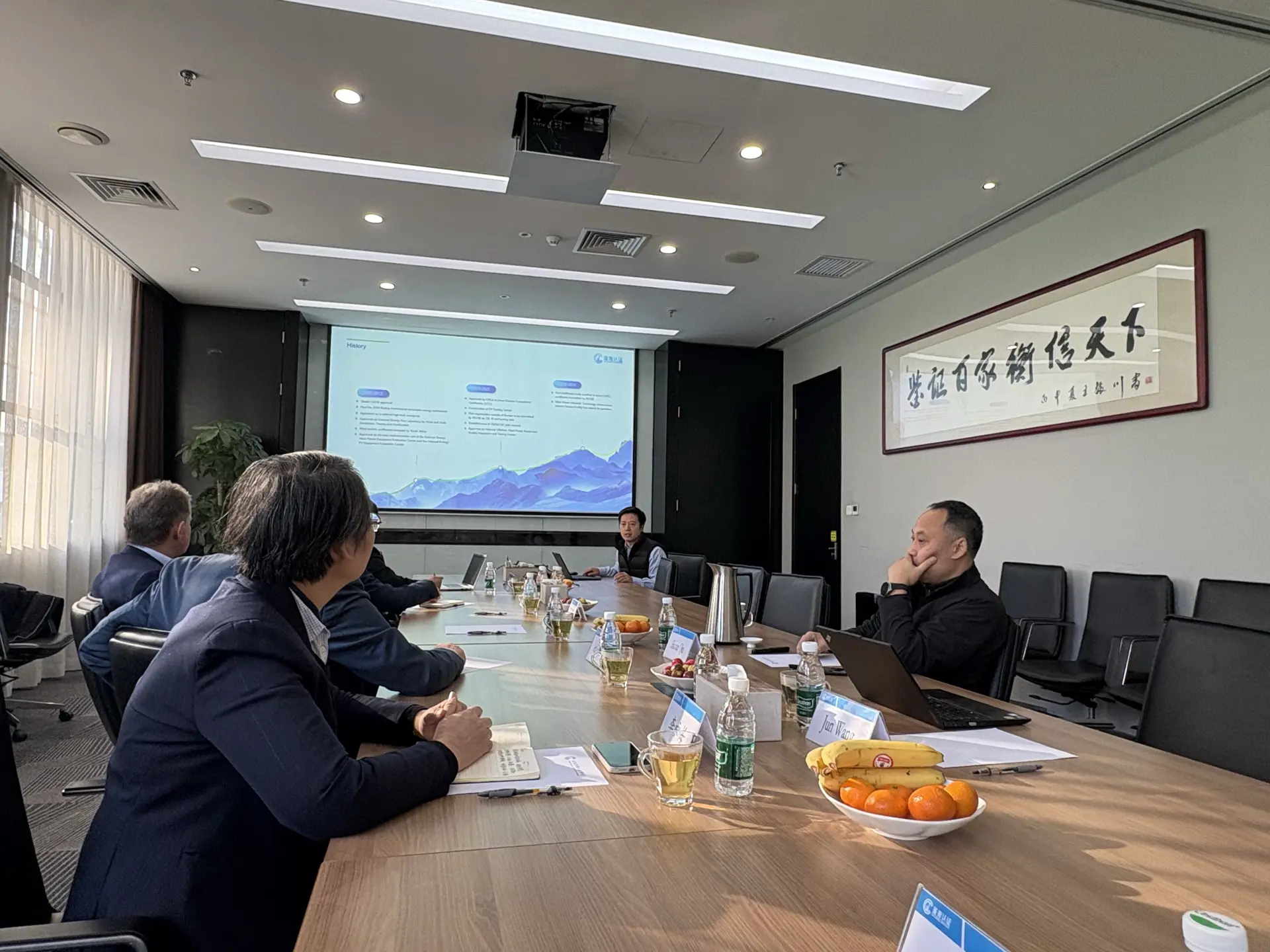
The visit to China General Certification Center (CGC) added another perspective. CGC works across standard development, testing, inspection, certification, and technical research, including extensive activities within wind energy. Its work covers areas including wind turbine design evaluation and type certification, blade certification and testing, wind power equipment testing, and wind farm assessments.
These different perspectives helped broaden the dialogue beyond individual quality tools. From OEMs and suppliers to utilities, asset owners, and certification organizations, preventing quality risks ultimately depends on how effectively companies work together across organizational and geographical boundaries.
Building on the dialogue
Across the two events and the company visits, one message stood out: improving quality across the wind industry requires more than processes and tools - it requires collaboration, openness, and a willingness to learn from how others are putting those processes into practice.
APQP4Wind was established to support exactly that kind of alignment. By providing a common methodology and shared approach to quality planning, APQP4Wind aims to strengthen cooperation across the supply chain and support quality and risk prevention from the earliest stages of product and process development.
The China trip provided a valuable opportunity to continue that work through direct conversations with companies across the Chinese wind industry, while gaining practical insights into the challenges organizations encounter when implementing quality methods in real projects.
A sincere thank you to Goldwind, and to all speakers, participants, and organizations who shared their experience, expertise, and perspectives throughout the trip. The dialogue in China demonstrated the value of bringing different parts of the industry together, not simply to discuss quality, but to learn from one another about how stronger quality planning can work in practice.